A vegetable chopper is built to save you time, but only if it's cared for the right way. Most damage doesn't come from normal use, it comes from small mistakes like overloading the container, using it on foods it wasn't designed for, or letting it sit dirty for too long. In this guide, we'll walk through how to clean it properly, the maintenance habits that actually extend its life, and the most common mistakes that lead to jammed blades, broken cords, or dull edges, so your chopper keeps performing the way it did on day one.
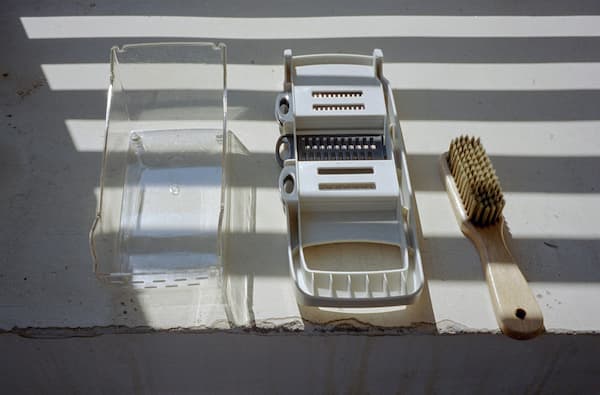
Skip the sponge, it can't reach between the blades safely. Instead, fill the container with warm soapy water, snap the lid shut with the blades locked inside, and give it a good shake for 20 seconds. Open it up, rinse everything under running water, and let it air dry completely before storing. Wet blades left in a closed container are a rust magnet.
Maintenance That Actually Extends Its Life
●Clean it right after use, not hours later.
●Dried-on food is what causes the real buildup.
●Dry every part fully before reassembling.
●Trapped moisture dulls blades faster than regular use ever will.
●Store it dry and assembled loosely, not sealed shut while damp.
Extra Tip for Multi-Blade Choppers (like 16-in-1 sets):
Since these sets come with multiple interchangeable blades, each one designed for a different cut, the blade in use still faces a lot of resistance on dense vegetables. A light brush of food-safe oil (like a neutral cooking oil) directly on the blade before tackling tough vegetables like carrots or sweet potatoes can noticeably smooth out the cut.
5 Mistakes That Kill Choppers Early
Cutting hard, uncut vegetables — Always pre-slice tough items like sweet potatoes or whole onions before loading them in.
Overfilling the container —The blades need room to move. Overloading is the #1 cause of jamming.
Yanking the pull cord — Smooth, controlled pulls only. Aggressive yanking is what snaps the internal mechanism.
Using it on the wrong foods — Frozen food, bones, seeds, and pits are hard enough to crack the blades or bend the internal mechanism. Stick to fresh, unfrozen produce only.
Ignoring dull blades — Struggling to chop isn't a sign to push harder, it's a sign the blades need replacing.
Quick Fixes for Common Problems
Chopper jammed?
Stop, unplug/open it, and remove the stuck pieces by hand, don't force the lid.
Cord won't retract?
You're likely overloading it. Cut down your portions and pull with steady pressure.
Blades not spinning evenly?
Usually dull blades or leftover residue, clean thoroughly and check for buildup.