Ever had a cake turn out dry, or a curry taste way saltier than it should? Before you blame the recipe, check how you're measuring, it's often the real culprit.
Good measuring cups and spoons only work as well as the technique behind them. A few small habits make the difference between consistent results every time and a dish that's slightly off for reasons you can't quite pin down.
How to Measure Right
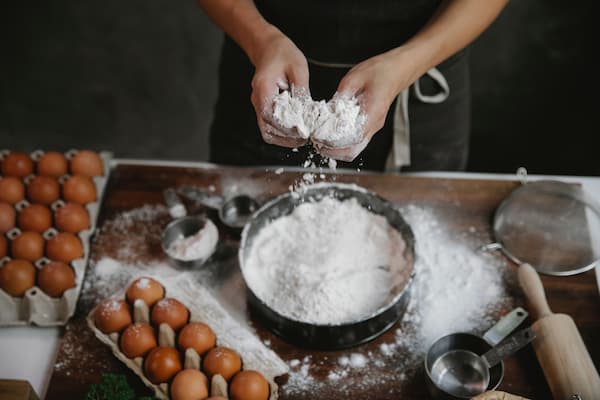
Dry ingredients (flour, sugar, cocoa):
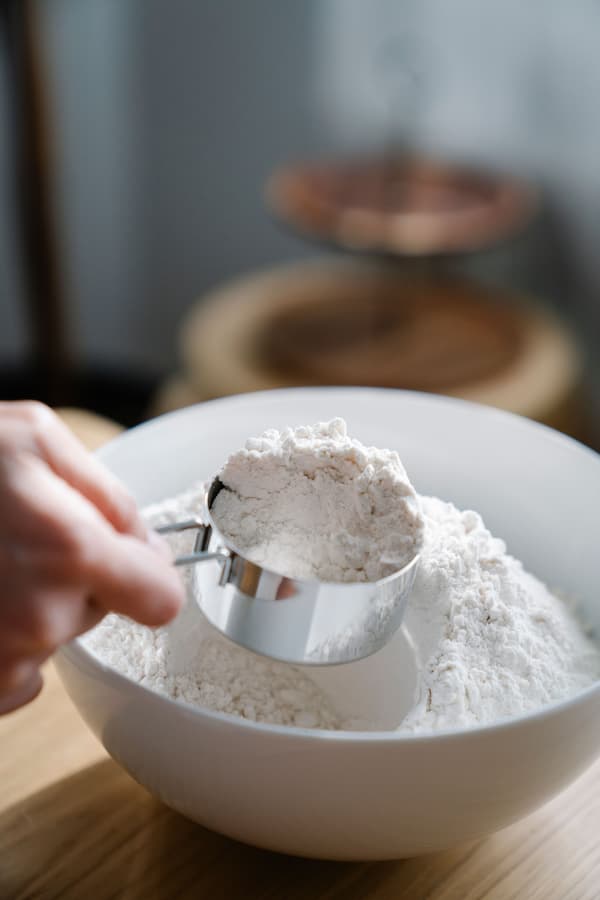
Spoon the ingredient into the cup until it's slightly overfilled, then level it off with a straight edge like the back of a knife. Never scoop directly from the bag, that compacts the ingredient and packs in more than the recipe actually calls for.
Liquids (water, milk, oil):
Use a liquid measuring cup, not a dry one, and place it down on the counter rather than holding it in your hand, an uneven angle throws off the reading. Bend down to check it at eye level rather than looking down from above, what looks right from a standing angle is often short of the actual line.
Sticky ingredients (honey, syrup):
Lightly coat the inside of the cup or spoon with a bit of oil or nonstick spray first. It slides right out instead of leaving half the measurement stuck behind.
Maintenance That Keeps Them Accurate
❖Wash and dry cups and spoons fully before storing, trapped moisture can warp plastic ones over time.
❖Check plastic measuring cups occasionally for warping or fading markings, both make measurements less reliable.
❖Store spoons on a ring or nested set so you're not digging through a drawer and losing track of sizes.
Scooping directly from the bag —
This packs the ingredient down and adds more than the recipe intends, especially with flour.
Tapping or shaking the spoon to settle it —
This compacts the ingredient too, the same problem as scooping straight from the bag.
Eyeballing "close enough" —
Fine for cooking, but baking is a science. Small differences in flour or leavening agents change texture significantly.
Using a dry cup for liquids or vice versa —
Dry cups let liquid dome above the rim without measuring accurately, and liquid cups aren't designed for a clean level line with dry ingredients.
Quick Conversion Reference
3 teaspoons = 1 tablespoon
4 tablespoons= ¼ cup
16 tablespoons= 1 cup
1 cup = 8 fluid ounces
Keep this handy, it's the one thing that saves you from digging through a full recipe just to figure out how many teaspoons are in a tablespoon.
Which Material Actually Holds Up Longer?
stainless steel —
Won't warp, stain, or fade, the most reliable choice for long-term accuracy, though it doesn't work in the microwave.
Plastic —
Lightweight and affordable, but markings fade over time and cups can warp slightly if exposed to heat, check yours periodically.
Glass —
Microwave-safe and doesn't retain odors or stains, but it's heavier and the least forgiving if dropped.
If you're noticing inconsistent results even with good technique, it might be worth checking whether your set has started to warp or fade, not just how you're using it.
Quick Fixes for Common Problems
Markings faded or hard to read?
It's time to replace that cup, guessing at a measurement defeats the purpose of having one.
Recipe turning out inconsistent even when you measure the same way?
Try switching to weight (grams) for dry ingredients, it removes the guesswork entirely.
Spoons always going missing in the drawer?
Keep them clipped together on their ring rather than tossed in loose, it's the easiest way to stop losing pieces of the set.